THE SACRAMENT OF BAPTISM
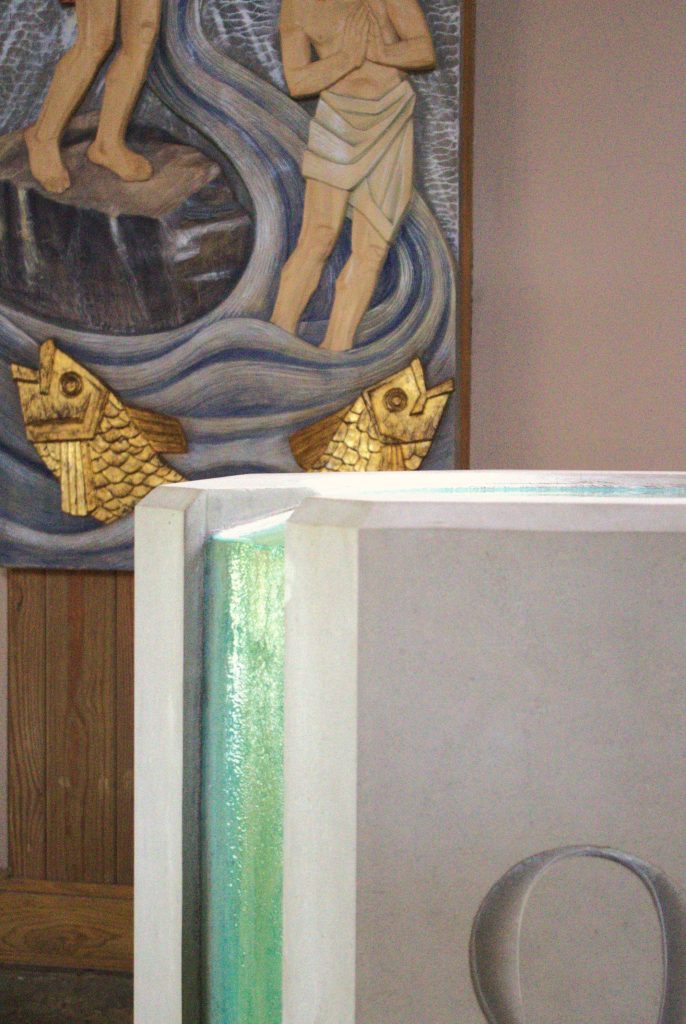
Dear Parents and Godparents
Jesus commanded his disciples: “Go therefore and make disciples of all nations, baptizing them in the name of the Father and of the Son and of the Holy Spirit.” (Matthew 28:19)
The parish community rejoices with you as you prepare for the Baptism of your child. Baptism is the first of the sacraments of Christian initiation and the doorway into the life of grace. Through Baptism, your child is welcomed into the Church and receives the gift of new life in Christ
Through Baptism a person:
- becomes a child of God
- is freed from original sin
- becomes a member of the Church
- begins the journey of discipleship with Jesus Christ
Your role as parents and godparents is essential. The Catholic Church baptizes infants in the faith of the Church, trusting that you will help the child grow into that faith through prayer, example, and participation in the life of the Church.
Contact Us
For more information or to begin the baptism process, please contact our Baptism Team:
- Fr. Paul Pantiru OFM Conv. for English Baptism [email protected] or 770 515 9299
- Martha Perez for Spanish Baptism [email protected]
WHo can be baptized?
Children (ages 0–6) who have not yet been baptized. At least one parent or legal guardian must give consent. There must be a sincere intention to raise the child in the Catholic faith.
SACRAMENT OF MARRIAGE
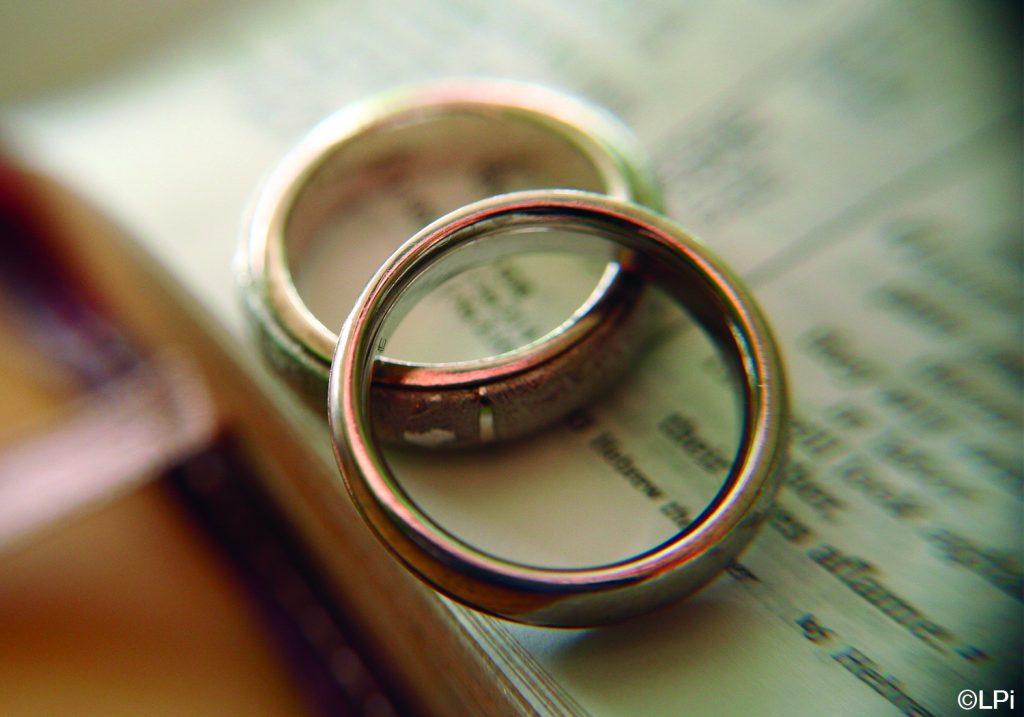
Marriage is a sacred covenant established by God, in which a man and a woman freely give themselves to one another in a lifelong union of love and fidelity. For baptized Christians, this covenant is raised by Christ to the dignity of a sacrament, a visible sign of God’s grace at work in their lives. It highlights that marriage is a partnership of a whole life, ordered towards the good of the spouses and the procreation and upbringing of children. (Can. 1055 §1)
Free to Marry
If one of the parties was previously married – whether in a Catholic or non-Catholic ceremony, civil or non-civil, freedom to marry must be explored. In order to help divorced and remarried Catholics live sacramental lives, the Church encourages them to pursue the annulment process. Any priest or deacon can provide information and discuss the process with those with interest.
Our Commitment
Couples seeking marriage in the Church are called to:
- Enter into a lifelong, faithful union.
- Be open to the gift of children.
- Grow together in faith and love within the Catholic Church.
Scheduling Your Wedding
Begin by scheduling an initial meeting with a priest or deacon. Please schedule this appointment before reserving a spot for the reception. Wedding dates are scheduled according to the couple’s preferences and the availability of the church and parish ministers. Please allow at least (6) six months of preparation (8) eight months if marrying outside the USA.
Marriage Preparation
The Church requires all couples to be well-prepared for this vocation. Preparation includes:
- Meetings with clergy
- Participation in an approved Pre-Cana program assigned by the priest, such as:
- Archdiocesan Marriage Prep (English)
- Called to Be One (Spanish)
- CatholicMarriagePrep.com (online option)
Additional documents may be required in special circumstances (previous marriage, annulment, or widowhood).
Contact Us
For more information or to begin the marriage process, please contact:
- Fr. Paul Pantiru OFM Conv. for English Marriage [email protected] or 770 515 9299
- Martha Perez for Spanish Marriage [email protected]
Click here to complete the Marriage brochure:English Spanish

SACRAMENT OF THE ANOINTING OF THE SICK
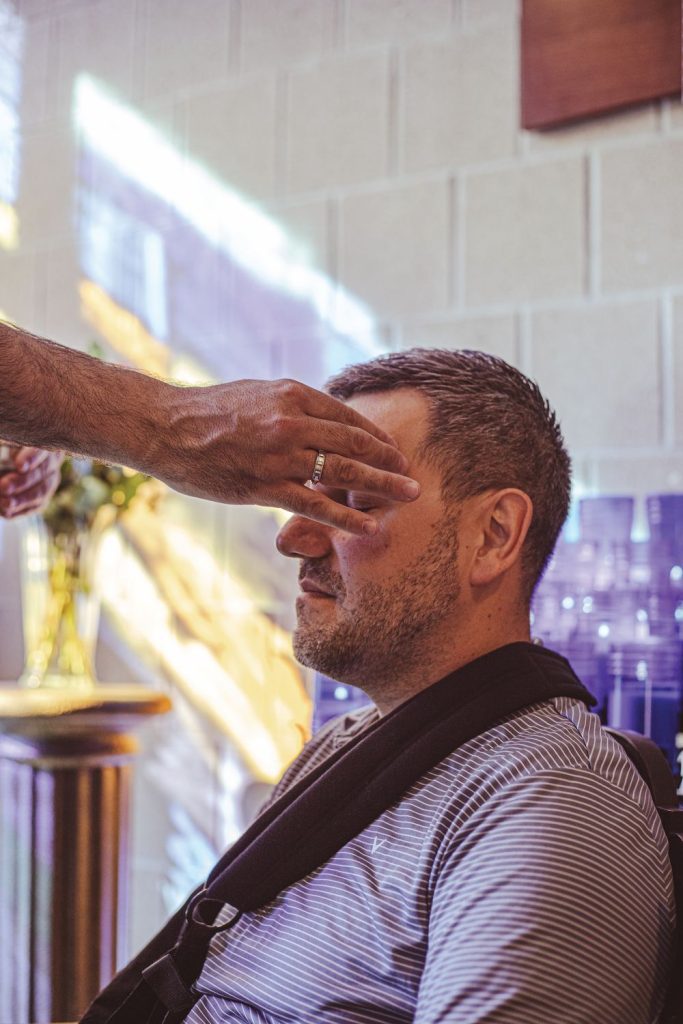
“Jesus came to heal the whole person—body and soul.”
In the Sacrament of the Anointing of the Sick, Christ continues His healing ministry through the Church. Through the hands and prayer of the priest, it is Jesus Himself who touches the sick, bringing comfort, strength, and healing.
What is the Anointing of the Sick?
This sacrament is a powerful encounter with Christ, who:
- Offers forgiveness of sins
- Brings spiritual healing and peace
- Strengthens those facing serious illness or the frailty of old age
The healings performed by Jesus during His earthly life were signs of the coming of the Kingdom of God. Through His suffering, death, and resurrection, He conquers sin and death—and shares that victory with us in this sacrament.
When Should the Sacrament Be Received?
There is no need to wait until the moment of death.
The sacrament should be received when:
- A person begins to be in serious illness
- There is a significant decline in health
- One is preparing for major surgery
- Due to advanced age and frailty
A prudent judgment about the seriousness of the condition is sufficient.
Effects of the Sacrament
The grace of this sacrament brings:
- Peace and courage to face the challenges of illness
- Strength in suffering and union with Christ
- Forgiveness of sins (when the person is unable to confess)
- Possible physical healing, if it is God’s will
Even when physical healing does not occur, the primary grace is a deep spiritual healing, gift of the Holy Spirit that strengthens the soul.
How to Request the Sacrament
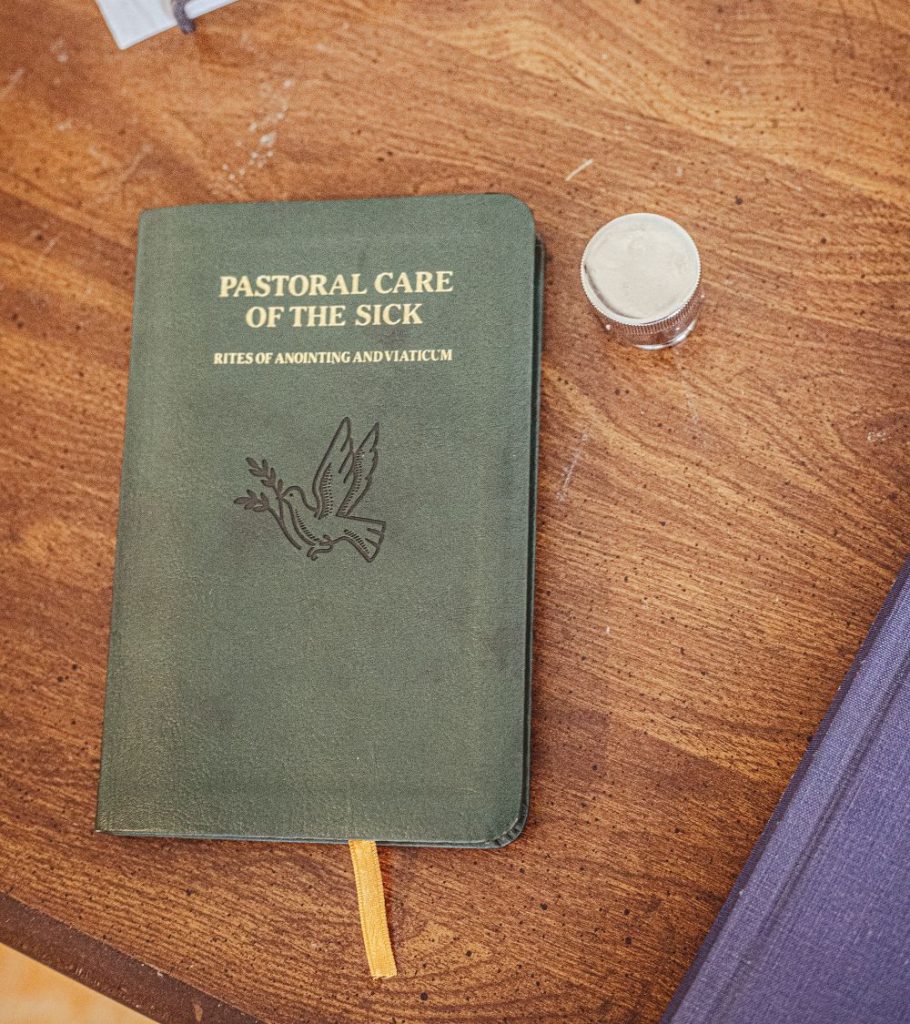
If you or a loved one would like to receive the Anointing of the Sick, please contact the parish office at 770 478 0178.
In urgent situations, do not hesitate to call immediately so a priest can come as soon as possible.
CATHOLIC FUNERAL RITES
“At the death of a Christian… the Church intercedes on behalf of the deceased… and consoles the sorrowing with the comforting Word of God and the Sacrament of the Eucharist.” Order of Christian Funerals, no. 4
The Catholic funeral rites express our deep faith in the Resurrection. While we grieve the loss of a loved one, we do so with hope, trusting that death is not the end and that the bonds of love in Christ are never broken.
The Church accompanies both the deceased and the family through prayer, Scripture, and the Eucharist. For this reason, the funeral rites are structured in three distinct moments, each with its own meaning and purpose.
Vigil Service (Wake)
“At the vigil, the Christian community keeps watch with the family in prayer…” Order of Christian Funerals, no. 56
The Vigil Service is usually held at the funeral home during visitation. It is a time for family and friends to gather in prayer, remembering the life of the deceased and entrusting them to God’s mercy. May include Scripture readings, reflections, and intercessions. Can take the form of a Liturgy of the Word or prayers from the Liturgy of the Hours. Offers a meaningful setting for eulogies or personal remembrances. This moment allows the community to support one another and begin the journey of healing in faith.
Funeral Liturgy (Mass)
The Funeral Liturgy is the central celebration of the Church for the deceased. Whenever possible, it is celebrated as a Funeral Mass, though a funeral service outside of Mass may also be offered when needed.
At the funeral liturgy, the Church:
- Gives thanks to God for the life of the deceased.
- Proclaims Christ’s victory over sin and death.
- Commends the deceased to God’s mercy and love.
- Finds strength in the Paschal Mystery of Jesus Christ.
This liturgy is not only a time of mourning, but above all an act of worship and hope in the promise of eternal life.
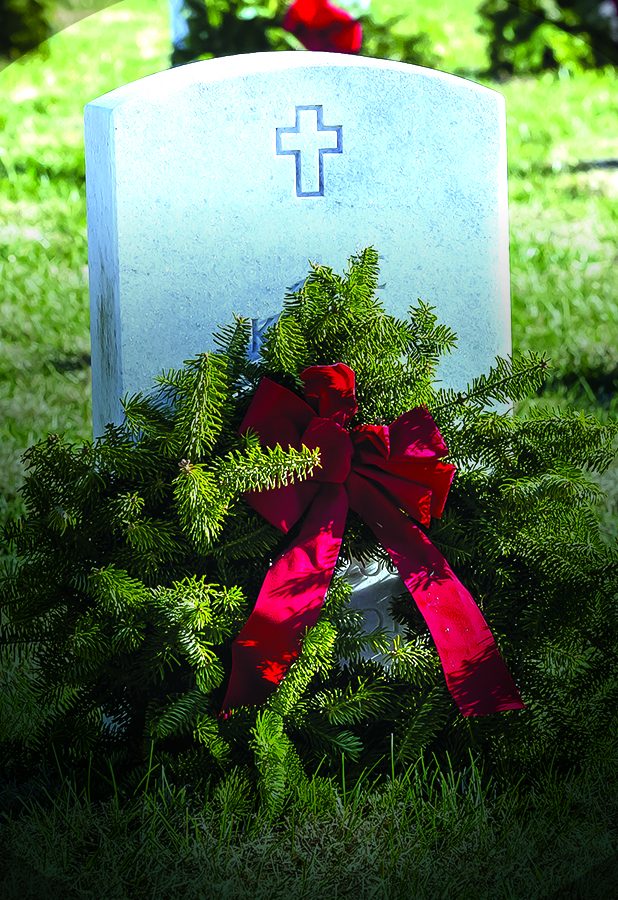
Rite of Committal (Burial or Interment)
The Rite of Committal is the final step in the Church’s funeral rites.
It takes place at the graveside or place of interment and is the last act of the community’s care for the body of the deceased. In this rite:
- The body is committed to its resting place.
- The Church expresses hope in the resurrection of the dead.
- The community entrusts the deceased to the communion of saints.
With prayers of farewell, we commend our loved one into God’s presence, trusting that they now share in the fullness of life with Him.
Our Prayerful Support
In these sacred moments, the Church stands with you in faith, hope, and love. Be assured of our continued prayers for you and your loved ones.
We are here to guide and support you in planning each part of the funeral rites with dignity and care. Please contact the parish office for assistance process at 770 478 0178.
What about Cremation?
The United States Conference of Catholic Bishops in its publication, Reflections on the Body, Cremation and Catholic Funeral Rites states “Although cremation is now permitted, it does not enjoy the same value as burial of the body. Catholic teaching continues to stress the preference for burial or entombment of the body of the deceased.”
Although cremation in the United States of America was in the past closely associated with opinions that rejected our faith in the resurrection of the body, the Church no longer prohibits it, so long as it is not used as a sign of disrespect for the dead or a denial of the bodily resurrection. If cremation is chosen, it should ordinarily take place following the funeral Mass, and the cremated remains are then entombed or buried in the same dignified way that the body would be. Respect for the body requires that the cremated remains be treated with the same respect after cremation that the body deserves. The Church also permits the celebration of the funeral Mass in the presence of the cremated remains and that is possible here in the Archdiocese of Atlanta.
Here again, the cremated remains must always be honored with the same reverence and respect that is their due as the residual elements of the human body that itself was sanctified and recognized through the sacraments.

Location
- St. Philip Benizi
- 591 Flint River Rd,
- Jonesboro, GA 30238
Have a Question?
Send a message!